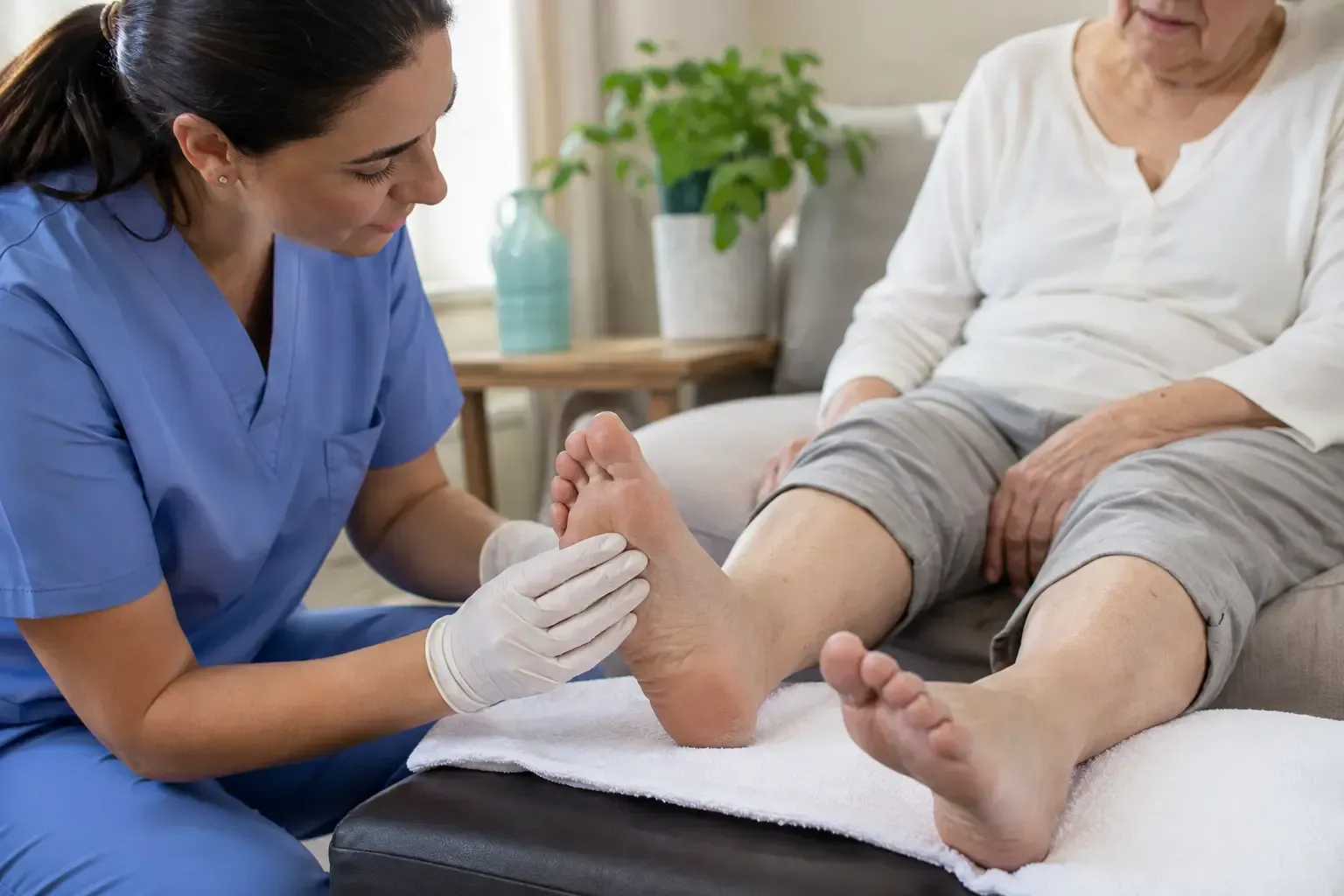


Wound Care at Home in Alice Springs: Dressings, NDIS Funding & Professional Nursing Support
Wound care at home in Alice Springs presents unique challenges. The NT's heat, dust, and dry conditions can affect how quickly a wound heals and how long a dressing stays clean and intact. For NDIS participants and their families across Alice Springs and surrounding communities, understanding the basics of home wound care — and knowing when a registered community nurse should step in — can make a real difference to recovery.
When done right, home wound care supports faster healing, fewer hospital visits, and better comfort — all without leaving your home. This guide covers everything you need to know, including how NDIS funding can help cover the cost of professional nursing support.
Can the NDIS Fund Wound Care at Home?
Yes — NDIS participants in Alice Springs and across the NT can access funding for wound care nursing as part of their NDIS plan.
Wound management nursing falls under two common support categories:
- Assistance with Daily Life (Core Supports) — for ongoing dressing changes and wound monitoring
- Improved Health and Wellbeing (Capacity Building) — for nursing assessments, wound care plans, and education for carers
If you have a chronic wound, diabetic foot ulcer, pressure injury, or post-surgical wound that needs regular attention, speak to your NDIS planner or support coordinator about including community nursing in your plan. Leah Bett Nursing Services is a registered NDIS provider in Alice Springs and can work directly with your plan to arrange nursing home visits.
Know Your Wound Type First
Before choosing any dressing or treatment approach, it is important to understand what kind of wound you are dealing with. This is especially important in the NT, where heat can increase fluid loss from wounds and dust exposure raises infection risk.
1. Light or Surface-Level Wounds (Minimal Drainage)
These include small cuts, abrasions, minor burns, and post-surgical incisions. They usually produce little fluid and heal relatively quickly with the right protection.
2. Dry or Low-Moisture Wounds
Some wounds lack enough moisture to heal efficiently. This can include early-stage pressure injuries, radiation-affected skin, or necrotic wounds. In Alice Springs, low humidity can worsen dryness, making moisture-retaining dressings especially important.
3. Moderately Draining Wounds
Wounds such as pressure injuries, venous leg ulcers, and diabetic foot ulcers often produce a steady amount of fluid. Diabetic foot ulcers are among the most common wound types seen in Alice Springs, given the NT's high rates of Type 2 diabetes, particularly in Aboriginal communities.
4. Heavily Draining Wounds (High Exudate)
These wounds release large amounts of fluid that can weaken surrounding skin, delay healing, and increase the risk of infection if not managed properly.
5. Infected or High-Risk Wounds
These wounds show redness, warmth, swelling, or discharge. They require antimicrobial support to control bacteria. In remote and regional NT communities, access to a clinic can be limited — a community nurse visiting your home can catch infection early and prevent hospitalisation.
6. Fragile Skin and Skin Tears
Often seen in older adults, these wounds occur easily and need gentle handling to prevent further damage, especially during dressing changes.
Types of Wound Care Dressings
Choosing the right dressing depends on the wound type, moisture level, location, and risk of infection. The table below provides a practical overview.
| Dressing Type | Description | Best For | Change Frequency |
|---|---|---|---|
| Low-absorbent dressings | Basic cotton or synthetic dressings | Minor, clean wounds | Several times daily |
| Low-adherent contact layer | Non-stick layer protecting wound surface | Low to moderate draining wounds | Frequent changes |
| Foam Dressings | Absorbent, cushioning dressings | Moderate to heavily draining wounds | Daily to less frequent |
| Hydrocolloid Dressings | Gel-forming, self-adhesive dressings | Dry to moderately draining wounds | Every 2–4 days |
| Film Dressings | Thin, transparent protective layer | Shallow, low-moisture wounds | Every few days (up to 7) |
| Alginate Dressings | Seaweed-based, gel-forming dressings | Moderate to heavily draining wounds | Every 1–3 days |
| Hydrogel Dressings | Moisture-rich, cooling dressings | Dry or necrotic wounds | Every 1–3 days |
| Gelling Fibres | Absorbent fibres forming gel on contact | Exuding wounds | Daily to 7 days |
| Silver Dressings | Antimicrobial dressings with silver | Infected or high-risk wounds | Depends on condition |
| Iodine Dressings | Antimicrobial iodine-based dressings | Infected wounds (short-term) | As directed |
| Superabsorbent Dressings | Multi-layer, high fluid-lock dressings | Moderate to heavy exudate | Daily to 7 days |
| Soft Silicone Dressings | Gentle, low-trauma adhesive dressings | Fragile skin and wounds | Extended wear preferred |
How to Choose the Right Dressing
Effective wound care management starts with asking the right questions before reaching for a dressing:
- How much fluid is the wound producing? A dry wound needs moisture. A heavily weeping wound needs high absorption.
- Is there any sign of infection? Redness, warmth, increased pain, unusual smell, or cloudy discharge are warning signs that antimicrobial dressings may be needed.
- How fragile is the surrounding skin? Older adults and people on long-term steroid medications often have skin that tears easily.
- What stage of healing is the wound in? A wound covered in dead tissue (necrotic) needs different treatment from one forming new tissue (granulating).
- Where is the wound located? Joints, bony areas, and skin folds require dressings that are flexible and comfortable for movement.
- What are the underlying health conditions? Diabetes, poor circulation, and oedema all significantly slow wound healing — especially relevant in Alice Springs where chronic conditions are common.
When in doubt, consult a registered nurse or GP. The wrong dressing costs far more than a professional assessment.
How to Change a Dressing at Home
Many NDIS participants and their carers manage dressing changes between nurse visits. Here is how to do it safely:
- Clear a clean surface and gather everything you need before you start: gloves, dressings, tape, saline, and a disposal bag.
- Wash your hands thoroughly with soap and water for at least 20 seconds. Put on disposable gloves before touching the wound.
- Remove the old dressing gently. If it is stuck, dampen it with saline to loosen it before pulling. Never pull sharply, especially on fragile skin.
- Assess the wound before applying the new dressing. Look for changes in size, colour, odour, and fluid. Note anything unusual.
- Clean the wound according to your nurse or doctor's instructions — usually with saline or cooled boiled water. Do not scrub.
- Apply the new dressing as instructed, ensuring it covers the wound completely without restricting circulation.
- Dispose of used dressings hygienically, wash your hands again, and record any observations in a wound care diary if keeping one.
Note: Change the dressing if it becomes wet, loose, or soiled — regardless of the scheduled interval. In Alice Springs's heat, dressings may need more frequent checking.
Not sure if your wound needs a nurse?
Leah Bett Nursing Services provides registered nursing home visits across Alice Springs and surrounding communities — including wound assessment, dressing management, and ongoing monitoring.
Call us today or submit a referral online. We work directly with NDIS plans.
Wound Care for Diabetic Patients in Alice Springs
Diabetic foot ulcers and chronic wounds related to diabetes are among the most common and serious wound types managed by community nurses in Alice Springs. The NT has some of the highest rates of Type 2 diabetes in Australia, particularly among Aboriginal and Torres Strait Islander communities.
Managing diabetic wounds at home requires:
- Daily inspection of feet and legs, even when no wound is visible
- Blood glucose monitoring and management — high glucose slows healing significantly
- Offloading pressure from ulcer sites (special footwear or positioning)
- Regular registered nurse visits to assess the wound and adjust the care plan
- Early escalation if signs of infection appear — diabetic wounds can deteriorate quickly
If you or a family member has diabetes and a wound that is not healing, contact Leah Bett Nursing Services. Our registered nurses work with NDIS participants across Alice Springs and can coordinate with your GP or specialist for comprehensive wound management.
Special Considerations for Older Adults
Ageing skin is thinner, heals more slowly, and is more prone to injury and infection.
Wound care in older adults in Alice Springs requires extra care:
- Use silicone-bordered dressings to avoid tearing fragile skin
- Reposition regularly to prevent pressure injuries from developing
- Include enough protein, zinc, vitamin C, and fluids to support healing
- Manage oedema with compression therapy under nursing supervision
- Involve a registered nurse early — older adults benefit from professional assessment at the first sign of a wound
Signs Your Wound Is Healing Properly
Knowing what normal healing looks like can give peace of mind.
Healthy signs include:
- Pain is gradually easing over time
- Formation of new pink or red tissue
- Wound size is slowly reducing
- Small amounts of clear fluid, without a strong odour
Call a nurse or your GP if you notice:
- The wound is enlarging rather than shrinking
- Redness is spreading beyond the wound edges
- Green, yellow, or foul-smelling discharge
- The person develops a fever, chills, or feels generally unwell
- The wound has not improved after four weeks
- There is exposed bone, tendon, or muscle visible in the wound
- Pain is increasing rather than decreasing
The Role of a Community Nurse in Home Wound Care in the NT
There is a point at which home wound care requires more than a family member with a first aid kit can safely provide. Community nursing wound care brings clinical expertise directly to your home in Alice Springs — removing the need for repeated hospital or clinic visits, which is especially important for people in surrounding remote communities.
A registered nurse from Leah Bett Nursing Services providing in-home wound care will:
- Conduct a thorough clinical assessment of the wound and surrounding skin
- Create or adjust a personalised wound care plan
- Choose and apply the most appropriate dressings for your wound type
- Monitor for infection or complications and escalate to your GP if needed
- Educate you and your family on daily care between visits
- Document wound progress with regular clinical updates
- Liaise with your NDIS support coordinator to ensure your plan covers the nursing visits you need
Our nurses travel to clients across Alice Springs and can arrange visits to surrounding communities. We are a registered NDIS provider and can work within your existing NDIS plan.
Need Professional Wound Care Support in Alice Springs?
Leah Bett Nursing Services — Registered NDIS Provider, Alice Springs NT
We provide registered nursing home care including wound assessment, dressing management, diabetic wound care, and ongoing monitoring — delivered with genuine compassion across Alice Springs and the NT.
If you or someone you care for needs professional wound care support, contact us today:
Phone: (08) 8912 0650
Email: admin@leahbettnursingservices.com.au
Online: leahbettnursingservices.com.au/make-a-referral
We also support clients through Medication Management, Continence Assessments, and Respite Care — ask us about adding these to your NDIS plan.