What Is NDIS Social and Community Participation? What It Covers & How It Works
If you or someone you care about is an NDIS participant, you may have come across the term social and community participation and wondered what it actually means.
It can sound broad at first, but the idea is simple.
NDIS social and community participation is support that helps people with disability take part in everyday community life, build confidence, develop skills, and stay connected with others.
This may include support to attend activities, join social groups, access the community, or build the skills needed to participate more independently over time.
In this guide, we explain what NDIS social and community participation means, what it may cover, what it usually does not cover, and how to make the most of this support in your NDIS plan.
What Is NDIS Social and Community Participation?
NDIS social and community participation is a type of funded support designed to help participants get involved in social, recreational, and community-based activities.
In simple terms, it can help you:
- join social or community activities
- spend time with others and build relationships
- access activities that match your interests
- develop confidence in everyday situations
- build independence and life skills
This support is about more than just getting out of the house. It is about helping you feel included, connected, and able to participate in your community in a way that is meaningful to you.
For many participants, this can be an important part of improving wellbeing, reducing isolation, and building a more independent life.
Why Social and Community Participation Matters
Being part of the community plays a big role in quality of life.
Without the right support, many people with disability can experience loneliness, reduced confidence, and fewer opportunities to try new things or stay socially connected.
That is why social and community participation can be so valuable.
It may help participants:
- reduce social isolation
- build confidence in social settings
- improve emotional wellbeing
- develop communication and everyday life skills
- become more independent over time
- enjoy hobbies, interests, and community experiences
Whether it is attending a local class, joining a group activity, visiting a community event, or simply getting out more often, these supports can make a real difference.
Where Does This Funding Sit in Your NDIS Plan?
Social and community participation can appear in different parts of an NDIS plan, depending on the type of support you need.
Core Supports – Assistance with Social and Community Participation
This category is focused on helping you participate in activities right now.
It may include support such as:
- a support worker to attend community activities with you
- one-to-one support during outings or social activities
- support to access group-based programs
- assistance while participating in community or recreational settings
This type of funding is generally used when you need direct support to take part in activities and access the community.
Capacity Building Supports – Increased Social and Community Participation
This category is more focused on helping you build skills for the future.
It may include supports that help you:
- improve your social skills
- build confidence in community settings
- learn how to participate more independently
- develop communication and relationship-building skills
- work towards greater independence in social and civic life
In short:
- Core Supports help you participate now
- Capacity Building Supports help you build the skills to participate more independently later
Both can be valuable, depending on your goals and needs.
What Does NDIS Social and Community Participation Cover?
NDIS social and community participation may cover the disability-related support you need to take part in activities that connect with your goals.
This does not always mean the NDIS pays for the activity itself. In many cases, the funding is used for the support that helps you participate.
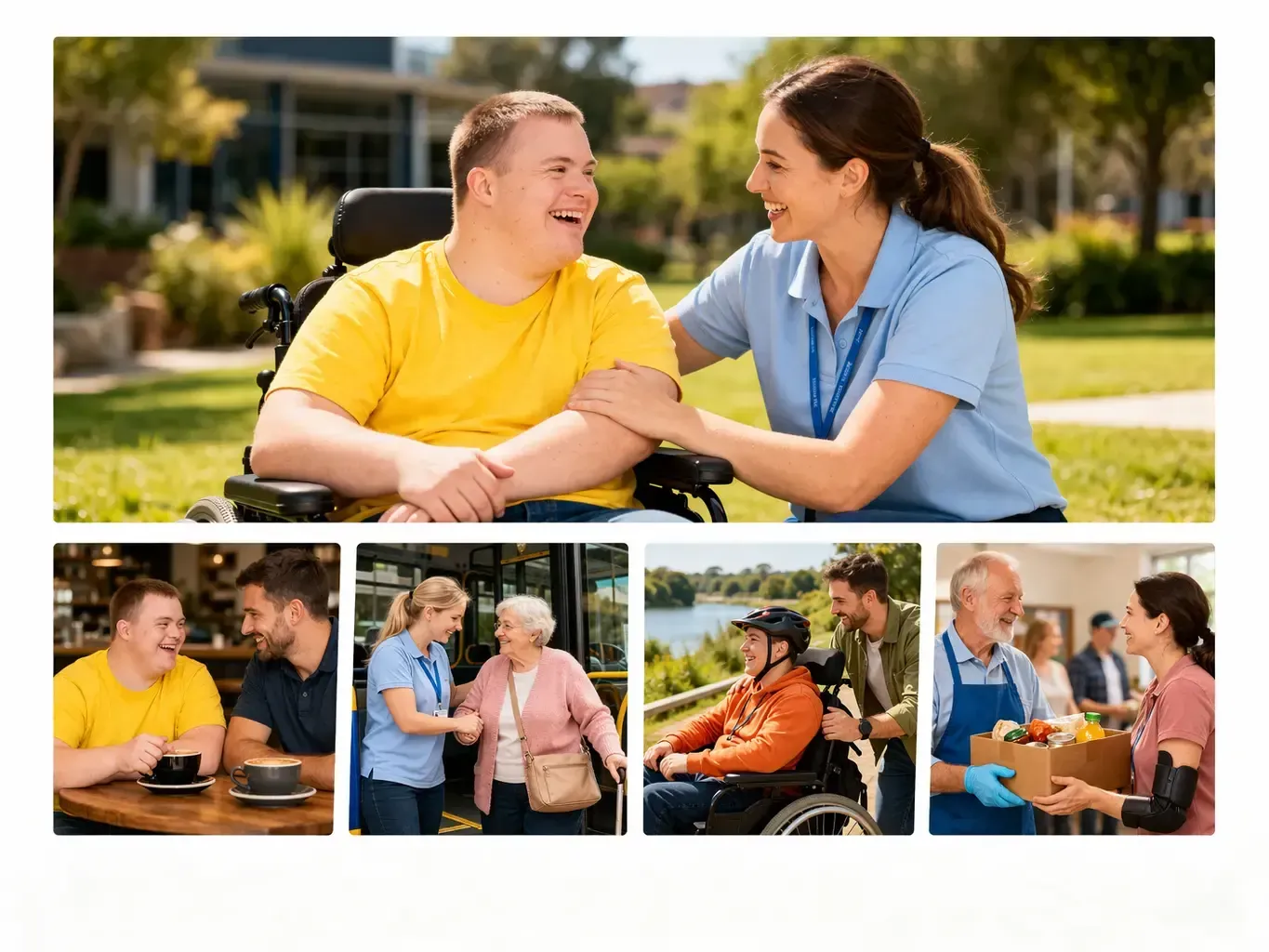
Examples may include support for:
Social and Recreational Activities
- attending a bowling group or community club
- joining an art, craft, music, or cooking class
- visiting markets, gardens, parks, or local attractions
- taking part in book clubs, hobby groups, or social outings
Physical and Sports Activities
- joining a local sports program
- participating in adaptive sports or supported fitness activities
- attending dance, movement, or swimming sessions
- taking part in outdoor activities with the right support
Community Access and Everyday Participation
- attending local events or community programs
- spending time in the community with support
- accessing libraries, neighbourhood centres, or social spaces
- participating in peer groups or supported outings
Skill-Building and Independence-Focused Supports
- learning how to navigate community settings
- building confidence in social situations
- developing communication and relationship skills
- working towards more independent participation over time
The key point is this: the support should relate to your disability, your goals, and your ability to participate more fully in community life.
Real Examples of NDIS Social and Community Participation
Sometimes the easiest way to understand this support is through examples.
Here are a few common scenarios.
- Example 1: A participant uses funding for a support worker to accompany them to a local art class each week, helping them engage socially and build confidence.
- Example 2: A participant receives support to attend a community group and gradually works towards joining independently in the future.
- Example 3: A participant uses capacity building support to improve communication skills and feel more confident in public and social settings.
- Example 4: A participant is supported to take part in regular outings that align with their goals around independence, community access, and building friendships.
These examples show that social and community participation is not one single activity. It is a broad support area that can be shaped around the individual.
What the NDIS Usually Does Not Pay For
This is where many people get confused.
The NDIS may fund the support you need because of your disability, but it does not usually cover everyday personal or general activity costs that everyone would normally pay.
Depending on your plan and circumstances, the NDIS usually does not cover things like:
- entry tickets or event admission fees
- club memberships
- uniforms
- sports equipment
- general class or activity fees
- everyday personal spending
- costs not linked to your disability support needs
- activities that are not connected to your NDIS goals
That is why it is important to understand the difference between the activity itself and the support needed to help you take part.
Is Transport Included?
Transport can be a confusing area.
Some participants may have transport-related supports in their NDIS plan, but transport is not always automatically included under social and community participation funding.
In many cases, what is funded is the support worker assistance needed to help you access the community, while transport support may be handled separately depending on your plan.
If you are unsure, it is best to check your plan or speak with your Support Coordinator or NDIS provider.
How to Get Social and Community Participation Funding in Your Plan
If you think this support would help you, the best time to raise it is during your NDIS planning meeting or plan review.
Be specific about your goals and explain why this support matters to you.
For example, you might say:
- I want to build confidence in social situations
- I want to join community activities and make connections
- I want support to access local programs and outings
- I want to become more independent in the community
The clearer your goals are, the easier it is to show why this support is important.
It can also help to talk about the barriers you currently face, such as anxiety, limited confidence, communication challenges, or needing support to access activities safely.
How to Make the Most of Your Funding
Once you have social and community participation funding in your plan, there are smart ways to use it well.
- Set Clear Goals - Choose goals that are meaningful to you, such as building friendships, joining a local group, improving confidence, or becoming more independent in the community.
- Choose Activities You Actually Enjoy - You are more likely to stick with activities that feel interesting, comfortable, and rewarding.
- Start Small and Build Gradually - You do not need to do everything at once. A small, consistent step can lead to big progress over time.
- Use Support That Matches Your Needs - Some people need one-to-one support. Others do well in group settings. The right support should be tailored to you.
- Review Progress Regularly - As your confidence and independence grow, your supports and goals may also change.
Is NDIS Social and Community Participation the Same as Community Access?
They are closely related, but not always exactly the same.
- Community access is a term often used to describe support that helps a participant get out into the community, attend places, and take part in everyday activities outside the home.
- Social and community participation is broader and can also include building confidence, developing social skills, and working towards greater independence over time.
In practice, the two often overlap. Many providers use community access as part of their broader social and community participation support.
How Leah Bett Nursing Services Can Help
At Leah Bett Nursing Services, we understand that community participation is about more than just going out. It is about building confidence, creating connection, and helping each person feel included in a way that is meaningful to them.
Our team provides personalised support tailored to individual goals, interests, and support needs.
Whether you want help with:
- community access
- social outings
- group activities
- building confidence in public settings
- working towards greater independence
we are here to support you every step of the way.
We take a person-centred approach and work with participants to make everyday community life more accessible, enjoyable, and empowering.
Ready to Make the Most of Your NDIS Support?
If you or your loved one would like help understanding or using NDIS social and community participation funding, Leah Bett Nursing Services is here to help.
Our team can support you with community access, social participation, and goal-focused supports tailored to your needs.
Contact Leah Bett Nursing Services todayto learn how we can help you stay connected, build confidence, and take part in your community with the right support.
FAQs
What is assistance with social and community participation under NDIS?
This usually refers to support that helps an NDIS participant take part in social, recreational, or community activities. It may include support from a worker while attending outings, group programs, or community-based activities.
What is the difference between Core Supports and Capacity Building for community participation?
Core Supports usually help you participate in activities now, while Capacity Building supports focus on developing the skills and confidence needed to participate more independently over time.
Does NDIS pay for activity fees or memberships?
Usually, the NDIS funds the disability-related support you need to participate, not the ordinary cost of the activity itself. This means things like tickets, memberships, and general fees are often not covered.
Can I use NDIS funding for group activities?
Yes, group activities may be included if they relate to your goals and the support is considered reasonable and necessary. Group-based participation can also be a great way to build confidence and social connection.
Do I need a support worker for community participation?
Not always. Some participants may need direct support from a worker, while others may use supports that focus on skill building and independence. It depends on your needs, goals, and plan.
Is community access the same as social and community participation?
They are closely connected, but social and community participation is broader. Community access often focuses on getting out into the community, while social and community participation can also include skill-building, confidence, and long-term independence.
How do I ask for social and community participation funding in my NDIS plan?
Bring it up during your planning meeting or plan review and link it clearly to your goals. Explain what you want to do, what barriers you face, and what support you need to participate more fully in community life.